


Aura Craft Sports Blog
Welcome to our official industry insights page. Browse our published guides below:
==================================================
[ 01 ] Guide to High Performance Fabrics for Custom Sportswear
When manufacturing custom sportswear, choosing the right fabric is critical for athlete performance. Here are the top three materials used in modern sportswear production:
1. Polyester Blend
Polyester is the backbone of athletic clothing. It is lightweight, durable, and highly resistant to wrinkles. Most importantly, it is ideal for sublimation printing, allowing vibrant team logos and designs to be permanently fused into the fabric without peeling or cracking.
2. Nylon Polyamide
Nylon is incredibly strong and offers excellent elasticity. It is widely used in high stretch apparel like compression wear, martial arts rash guards, and fitness leggings. It feels soft against the skin while providing maximum muscle support during intense training sessions.
3. Spandex Elastane
Spandex can stretch up to 600 percent of its original length and snap back perfectly. We blend spandex with polyester or nylon to give sportswear the flexible, four way stretch needed for free movement in active sports and martial arts gear.
By selecting the correct fabric blend, custom sports apparel can significantly improve breathability, moisture management, and durability for athletes.
==================================================
[ 02 ] The Art of Sublimation Printing in Sports Uniform Manufacturing
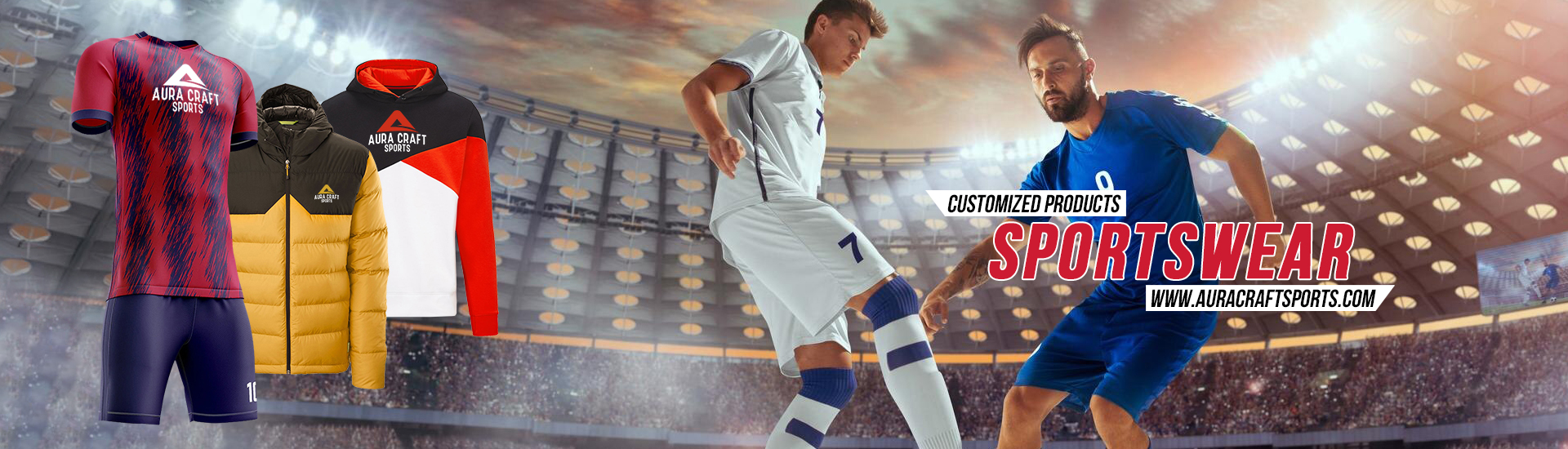
Sublimation printing has revolutionized how custom team kits and sportswear are created. Unlike traditional screen printing, sublimation fuses ink directly into the fabric strands, offering unique advantages for high performance apparel.
No Cracking or Peeling
Because the ink becomes a permanent part of the polyester fibers, sublimated designs will never crack, peel, or fade over time. Even after dozens of heavy washes and intense matches on the field, the colors, player names, and sponsor logos stay as bright as day one.
Unrestricted Performance
Traditional printing methods lay a heavy layer of plastic ink on top of the shirt, which blocks the fabric breathability and adds unnecessary weight. Sublimation leaves the fabric completely soft and lightweight, ensuring the garment retains its full moisture wicking properties to keep athletes cool.
Limitless Design Options
Sublimation printing allows for complex, multi colored vector designs across the entire surface of the jersey. From intricate background gradients to full sleeve patterns, there are zero limitations on creativity or color choices during the design process.
==================================================
[ 03 ] Understanding GSM in Custom Sportswear Manufacturing
When ordering custom sports apparel, one of the most important technical terms you will encounter is GSM. This abbreviation stands for Grams per Square Meter, and it measures the weight and thickness of the knit fabric.
What Higher GSM Means
A higher GSM means the fabric is thicker, heavier, and more tightly woven. Heavyweight fabrics ranging from 280 GSM to 350 GSM are perfect for manufacturing cold weather hoodies, durable tracksuits, and heavy martial arts uniform elements where toughness is required.
What Lower GSM Means
A lower GSM means the fabric is thinner, lighter, and highly breathable. Lightweight fabrics between 140 GSM and 180 GSM are ideal for soccer jerseys, running shirts, and high intensity training t shirts where moisture management and cooling are critical.
Choosing the Right Balance
Selecting the correct fabric weight ensures the gear performs exactly as intended on the field. For most standard team jerseys, a mid weight fabric around 160 GSM to 180 GSM provides the ultimate balance between rugged durability and lightweight comfort.
==================================================
[ 04 ] Essential Care Guide for Sublimated Custom Sportswear
To extend the life of your custom team kits, proper washing techniques are essential. Sublimated uniforms require special handling to preserve their technical properties over seasons of heavy use.
Cold Water Cycle
Always wash sublimated jerseys in cold water on a gentle cycle. Turn the garments inside out before washing to protect the surface fibers from friction against zippers, velcro, or buttons on other clothing items in the load.
Avoid Softeners
Avoid using fabric softeners or harsh bleach. Softeners leave a thin chemical coating over the fabric strands that completely blocks the moisture wicking channels, trapping sweat and heat inside the jersey during game time.
Line Drying Advice
Finally, line dry the jerseys instead of throwing them into a high heat machine dryer. High dryer temperatures can break down the elastic spandex fibers over time, causing the sportswear to lose its shape and stretch recovery.
==================================================
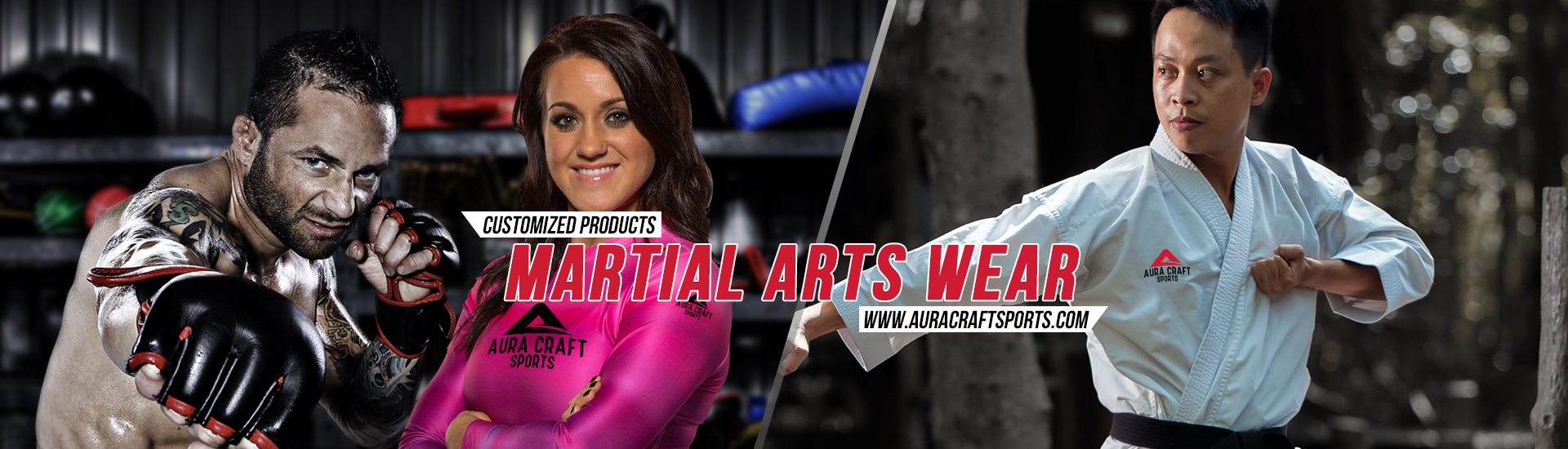
[ 05 ] The Importance of Reinforced Stitching in Martial Arts Wear
Martial arts uniforms endure intense pulling, gripping, and high friction during training sessions. Standard factory stitching easily snaps under this type of extreme physical stress, leading to torn garments.
Triple Interlocking Seams
Professional martial arts manufacturing utilizes triple interlocking stitching along key stress points. These points include the shoulders, armpits, and crotch panels of training pants where the fabric faces the most intense pulling forces.
Flatlock Stitching Benefits
Using flatlock stitching ensures that the seam lays completely flat against the athlete body. This eliminates painful skin chafing during floor grappling while providing maximum tensile strength to ensure the uniform holds together under pressure.
Long Term Gear Durability
Investing in heavy duty thread and reinforced seam design keeps the gear functional for years. For custom brands, high quality stitching reduces customer returns and establishes a solid market reputation for producing rugged, reliable gear.
==================================================
[ 06 ] Why Moisture Wicking Technology Matters for High Intensity Fitness
During a heavy workout session, your body produces sweat to cool down. The fabric your clothing is made from determines whether that sweat helps you or slows you down during training.
The Problem with Cotton
Standard cotton shirts act like a sponge, soaking up moisture and holding onto it tightly. This causes the garment to become heavy, cold, and sticky, which increases friction against the skin and causes severe discomfort.
How Moisture Wicking Works
Performance fitness wear uses specially engineered polyester fibers that do not absorb water. Instead, the microscopic structure of the yarn draws sweat away from the skin and pushes it directly to the outer surface of the shirt where it can evaporate rapidly into the air.
Keeping Athletes Cool
This active evaporation cycle keeps the clothing light and dry. By maintaining an optimal body temperature, athletes experience less fatigue and can focus completely on hitting their fitness goals without being weighed down.
==================================================
[ 07 ] A Closer Look at Compression Gear for Athlete Recovery
Compression clothing has transitioned from a specialized medical product to an essential training tool for modern athletes across all major sporting disciplines worldwide.
Promoting Blood Circulation
These tight fitting garments apply direct, calculated pressure to specific muscle groups. This localized pressure squeezes the veins, which actively speeds up blood flow back to the heart and improves overall oxygen delivery throughout the active muscles.
Reducing Lactic Acid
Faster oxygen delivery allows muscles to work efficiently and helps clear out lactic acid buildup rapidly. This process significantly reduces muscle vibrations during exercise, meaning less microscopic muscle tearing and lower post workout soreness.
When to Wear Compression Wear
For maximum effectiveness, compression tops and leggings should be worn during intense training sessions to stabilize muscles, and for a few hours afterward to accelerate the physical recovery process before the next workout.
==================================================
[ 08 ] Key Visual Elements of Custom Soccer Kit Design
Designing a memorable custom soccer kit requires a careful balance between modern brand identity and functional visibility on the competitive playing field.
Color Contrast Rules
When creating the digital design vector, ensure that sponsor logos and team crests stand out clearly. If your primary jersey color is dark, use crisp white or bright gold accents to make sure your branding remains striking and visible from a distance.
Stripes and Patterns
Using bold vertical or horizontal chest stripes can create a strong, timeless aesthetic. Sublimation printing allows you to weave subtle geometric patterns directly into the background fabric, adding a premium feel without cluttering the main uniform canvas.
Back Panel Planning
Always leave a high contrast, solid color block on the back panel of the jersey. This ensures that player numbers and names are completely legible to referees, stadium commentators, and fans sitting high up in the stands.
==================================================
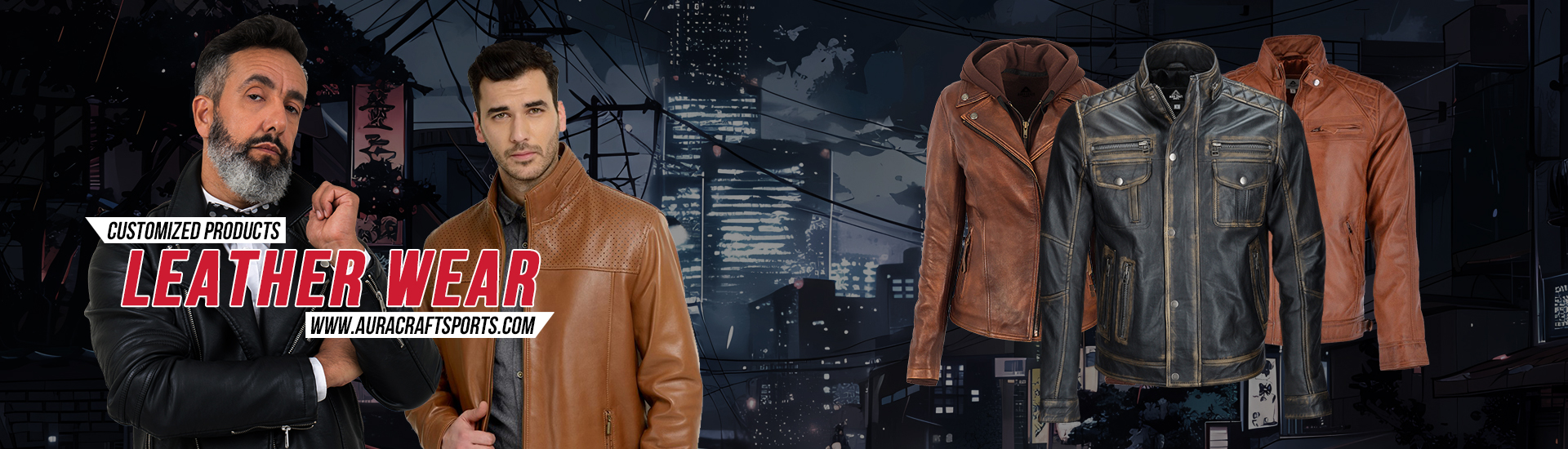
[ 09 ] Choosing Between Genuine Leather and Synthetic Leather Wear
When manufacturing specialized apparel like custom jackets or protective gloves, choosing the right material base alters performance, maintenance schedules, and long term durability.
The Power of Genuine Leather
Genuine cowhide or goatskin leather offers unmatched lifespan and natural abrasion resistance. It features an organic breathability that allows it to mold perfectly to the unique body shape of the user over time, creating a custom fit.
The Benefits of Synthetic Alternatives
Modern synthetic leathers provide excellent water resistance and require far less specialized maintenance. They do not dry out or crack when exposed to rain, making them highly functional for daily outdoor gear while offering a completely uniform texture finish.
Making Your Decision
Select genuine leather if your priority is premium luxury, traditional craftsmanship, and extreme durability. Choose synthetic options if you require cost effective manufacturing, lightweight materials, and simple cleaning properties for casual wear lines.
==================================================
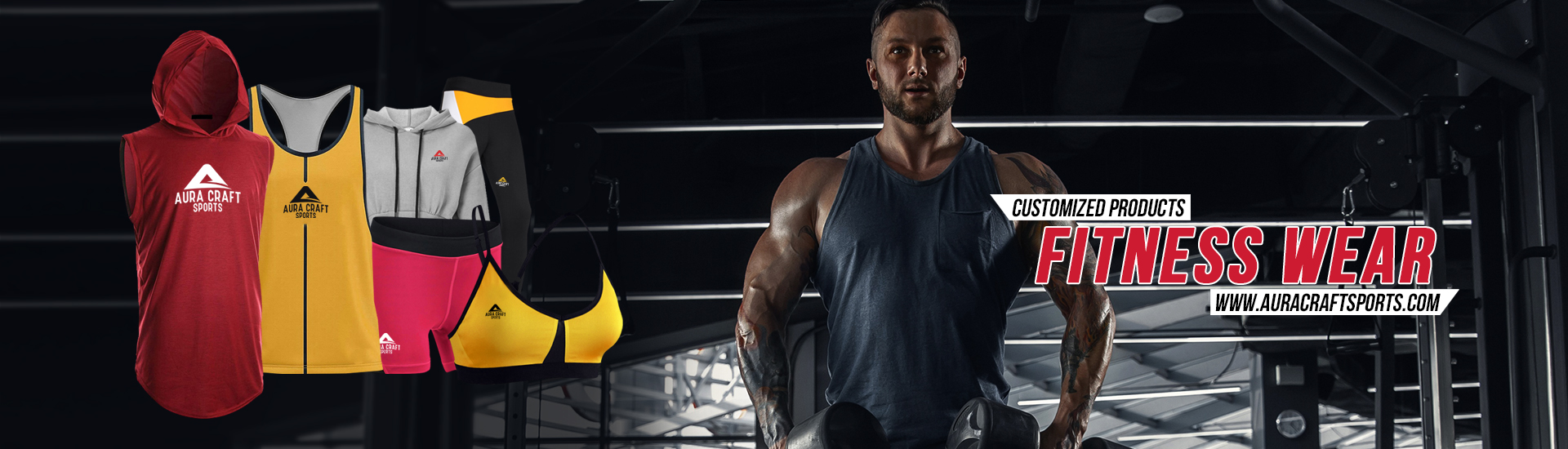
[ 10 ] The Role of Ergonomic Fits in Modern Fitness Wear Manufacturing
Modern fitness apparel relies heavily on ergonomic panel construction to maximize physical comfort and allow an unrestricted range of body movement during workouts.
Mapping Body Movement
Instead of cutting traditional square fabric blocks, clothing designers map out patterns that follow the natural muscle lines and joints. This reduces excess loose fabric that could catch on gym equipment or cause drag during high speed running.
Raglan Sleeve Design
Integrating Raglan sleeves is a key technique in athletic manufacturing. Unlike standard seams that sit right on the shoulder corner, Raglan seams curve up to the collar, allowing the arms to rotate fully without lifting the waist hem of the shirt.
Focus on Performance
By eliminating restriction points, the apparel acts like a second skin. This anatomical design style allows athletes to bend, jump, and lift heavy weights comfortably without constantly adjusting shifted clothing.
==================================================
[ 11 ] Understanding Sublimation Ink Quality for Vibrant Sportswear
The long term sharpness and color depth of a custom printed jersey depends directly on the grade of sublimation ink selected during the factory production phase.
High Density Inks
Premium sublimation inks feature ultra dense color molecules that react beautifully to high heat. When pressed, these inks turn into a gas and form a permanent chemical bond with the polyester strands, resulting in intense colors that will never wash out.
The Trap of Low Grade Alternatives
Low grade inks save on initial production costs but often look dull right after the transfer process. Over time, these cheap inks tend to bleed into surrounding white areas or turn into a faded gray color after facing standard laundry machine cycles.
Value of Premium Print Setup
Using premium ink formulas guarantees that intricate design details, sharp team vector lines, and specific corporate sponsor colors match your digital mockups exactly, providing a high quality product your customers can trust.
==================================================
[ 12 ] Designing Custom Hoodies for Effective Cold Weather Training
A high performance cold weather training hoodie must trap natural body heat efficiently without sealing in moisture or restricting raw athletic movement.
Heavyweight Outer Fleece
The ideal winter hoodie utilizes a heavy knit exterior fleece fabric, typically weighing around 300 GSM to 320 GSM. This dense outer shell acts as a barrier against biting cold winds while remaining durable enough to withstand outdoor training stress.
Breathable Lining Strategy
Pairing a heavy outer shell with a lightweight mesh internal lining allows sweaty vapor to escape easily. This prevents sweat from freezing inside the garment when you slow down, keeping your core warm and dry throughout your outdoor routine.
Draft Prevention Elements
Incorporate thick elastic ribbing around the wrist cuffs and the lower waist hem to seal out cold air drafts. Adding a deep, double layered hood with adjustable toggle drawstrings provides immediate protection against unexpected rain or dropping temperatures.
==================================================
[ 13 ] Pre Production Sampling Checklist for Custom Apparel Brands
Before launching a bulk factory manufacturing run for a new custom apparel line, approving a physical prototype sample is a critical quality control step.
Checking Print Alignment
Examine the sublimation print alignment across all major assembly seams. Verify that complex graphic side patterns and sleeve stripes connect smoothly from panel to panel without looking disconnected or uneven at the stitch lines.
Stitch Tension Testing
Pull the seams of the sample garment aggressively to test thread tension. The stitching should flex naturally with the stretch of the fabric without cracking, skipping stitches, or leaving small structural gaps along the interior panels.
Sizing and Label Verification
Measure the prototype flat against your official size specification chart to confirm the dimensions match perfectly. Finally, check that internal care labels display the correct material composition and washing instructions cleanly.
==================================================
[ 14 ] The Rise of Reflective Elements in Safety Fitness Wear
As outdoor night running and early morning cycling grow in popularity, incorporating reflective accents into fitness wear has become a crucial safety standard across the industry.
Glass Bead Technology
Modern reflective accents utilize specialized coatings packed with millions of microscopic glass beads. When light from vehicle headlights strikes these areas, the beads bounce the light directly back to the driver, making the runner instantly visible.
Placement on High Movement Zones
Factories place these reflective elements on high movement zones like the sides of the calves, along jacket zippers, and across the upper back shoulders. The movement of these areas alerts drivers quickly to human motion ahead.
Style Meets Safety
Modern application methods allow reflective strips to look like sleek, metallic gray design accents during the day. This balance ensures the apparel looks modern and stylish in normal light while offering life saving visibility in the dark.
==================================================
[ 15 ] Sustainable Practices in Modern Sportswear Production
The global sportswear manufacturing landscape is shifting rapidly toward cleaner, more responsible production methods to meet the demands of eco conscious consumers.
Recycled Polyester Yarn
Utilizing recycled polyester derived from cleaned, melted ocean plastics allows factories to slash raw oil consumption significantly. This process delivers an eco friendly textile that matches the strength, stretch, and moisture wicking properties of virgin polyester.
Waterless Sublimation Advantages
Traditional wet dyeing methods consume thousands of gallons of water and produce toxic chemical runoff. In contrast, sublimation printing uses dry heat transfer paper, completely eliminating water waste and keeping industrial areas clean.
Building a Green Future
Embracing sustainable textiles and clean printing methods helps custom apparel factories reduce their carbon footprint. This commitment positions brands perfectly to capture the fast growing market of environmentally aware sports organizations.
==================================================